
STOP
Skipping Your
Warm-Up!
You wouldn't launch your boat with loose riggers.
So why start your outing with a body that isn't ready to perform?
Hi, I'm Rita!
I'm a functional mobility instruction with a brain-based approach helping masters rowers move smarter so they can row better and longer.
For the past five years, I've worked closely with them both online and at rowing perfection camps, helping them understand why their bodies feel stiff, restricted or achy, and more importantly, what to do about it.

I guide you how to create safer, smarter movement patterns that improve posture, breathing, force transfer and overall efficiency—so you can keep rowing with more confidence, less discomfort and for many years to come.
The warm-up you're about to discover is built on exactly the same principles. It's a practical, rowing-specific introduction to moving with more intention before every session, so every stroke starts from a body that's prepared to perform.
Free 20-Minute Functional Mobility Warm-Up for Masters Rowers
Too many masters rowers jump straight onto the erg, take a few strokes, or do a couple of static stretches and call it a warm-up.
If you tell yourself you "don't have time" to warm up, then you probably don't have time to deal with an injury either.
But here's the truth:
Passive static stretching is not a warm-up.
Five minutes on the erg is not enough—especially if you've already spent most of the day sitting.
A good warm-up starts long before the first stroke.
You know your body deserves better.
Downloadable pdf
Get Instant Access
✓ Start moving better before you row - your body will thank you.

Why a Proper Warm-Up Matters
A functional warm-up does far more than raise your heart rate.
It helps you:
Prepare muscles and connective tissues to handle load.
Wake up your nervous system for better, more efficient movement.
Reinforce better posture and core engagement before you row.
Move with more control, more power, and less wasted energy.
Reduce your risk of aches, stiffness, and preventable injuries.
The quality of your session starts before your first stroke.

What's Inside
A 20-minute follow-along video
Mobility-focused from start to finish.
Start with proper breathing.
Mobilizes every major joint and muscle group.
Builds posture, stability and core control before adding movement.
Designed specifically for masters rowers.
with downloadable PDF
Photos of every exercise.
Clear cues.
Easy to keep on your phone or print.

Why This Warm-Up Is Different
Most masters rowers spend hours sitting.
Then we ask our bodies to repeatedly move through exactly the same rowing pattern.
That's a recipe for imbalance, compensation patterns and it is likely unsustainable as you age.
This warm-up restores movement where you need it most.
By giving every major joint and muscle group some attention, you'll prepare your body to:
Row with better posture.
Breathe more efficiently.
Transfer power more effectively.
Develop smarter, safer movement patterns that carry over into every session.
Lock it in !
Consistent, quality repetitions help your nervous system recognize more efficient movement patterns, so good posture, better breathing, joint control and muscle activation become more automatic.
Over time, these small improvements carry over into your rowing.
Every practice is helping you move with greater efficiency, confidence and resilience.
True real benefits come from consistency.
Follow the full warm-up a few times, then use the PDF to build the routine that fits your body and the time you have available.
Keep showing up, keep moving with awareness, and you'll start to feel the difference both on and off the water.
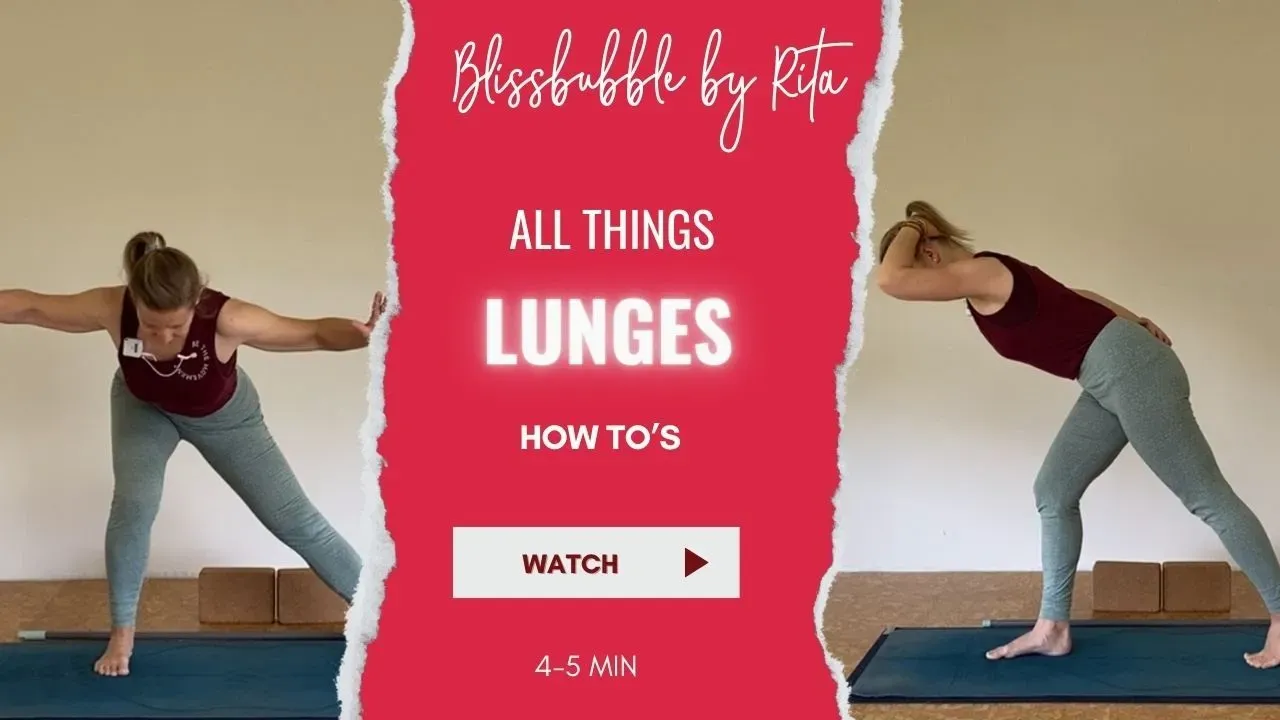
Functional lunge
Learn and implement lunges where you use hip hinge instead of moving from the pelvis and pulling too much too often on your low back muscles and keep it happy.
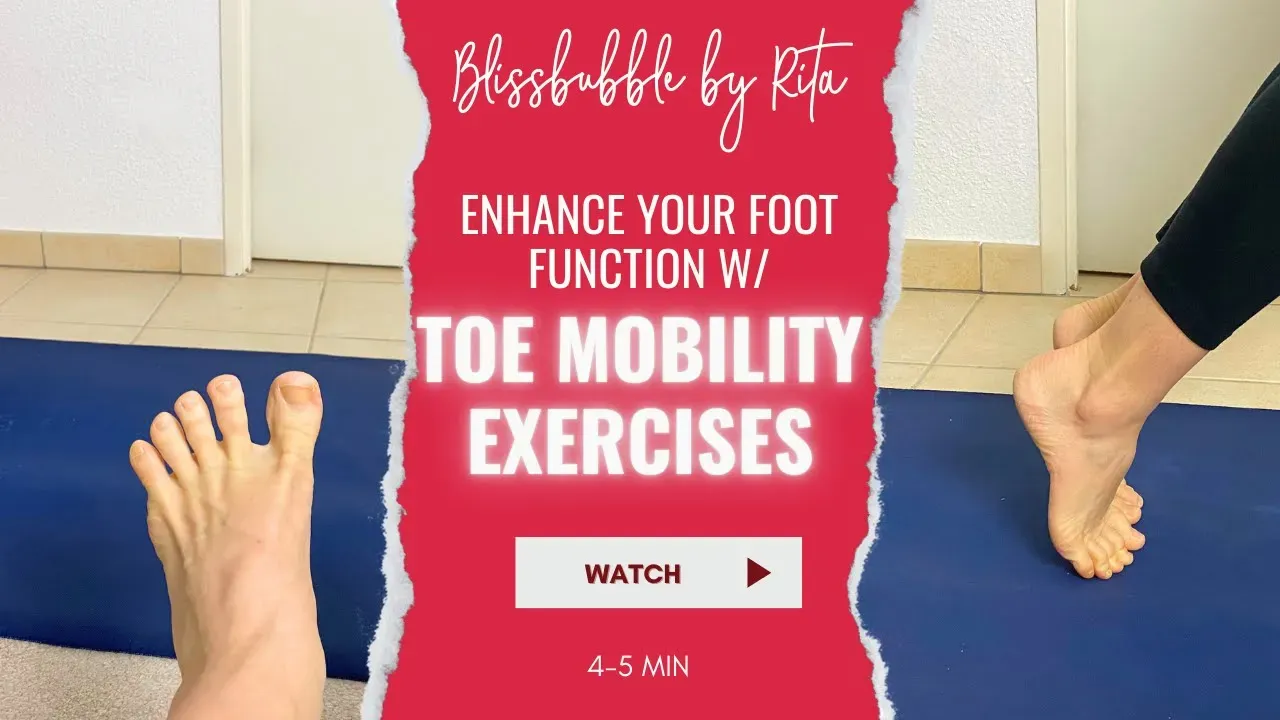
Treat your feet
Toe mobility is key for optimal foot function and that is key for good movement. A mix of mobility, extension, and stretches to give a special treat to your toes and feet.

Check your balance
One legged balance is key for stability in the boat. During a stroke your ankle, knee and hip joints alternate between flexed and extended position. .